Vanuatu Passport Ranking 2026 A Comprehensive Guide

Vanuatu Passport Ranking 2026: Understanding Its Global Position

The Vanuatu Passport Ranking 2026 is a crucial aspect for those considering global mobility and travel opportunities. With an increasing number of individuals seeking second citizenship options, understanding the significance and implications of this passport is essential. In this article, we will analyze the ranking of the Vanuatu passport, its benefits, and what it means for its holders in the upcoming years.

The Importance of a Strong Passport

In the age of globalization, a strong passport is more than just a travel document. It is an essential tool that provides individuals with opportunities for international business, travel, and ease of access to different countries. The power of a passport is often measured by the number of countries one can enter without a visa or obtain a visa on arrival. The Vanuatu passport has gained noteworthy attention due to its relatively high ranking, considering Vanuatu’s size and the current geopolitical climate.

Vanuatu’s Historical Passport Ranking

Historically, Vanuatu’s passport ranked fairly well on the global scale, reflecting the country’s diplomatic relationships and its appeal as a destination for investors. The passport has facilitated visa-free or visa-on-arrival access to numerous countries, making it an attractive option for many. As we approach 2026, let’s delve into the specific ranking and how it has evolved over the years.

Current Ranking Overview

As of late 2023, the Vanuatu passport affords visa-free access to around 130 countries. This places it within the top 50 passports globally, making it one of the more favorable choices in the realm of second passports. The ranking can fluctuate based on various factors, including international relations, changes in visa agreements, and diplomatic discussions.

Visa-Free Travel Benefits

One of the principal advantages of obtaining a Vanuatu passport is the ability to travel without the hassle of obtaining visas for many destinations. This not only saves time and money but also opens doors to international business opportunities for holders. Countries that allow visa-free access include popular travel destinations within the European Union, the Caribbean, and parts of Asia and Oceania.

Citizenship by Investment Program

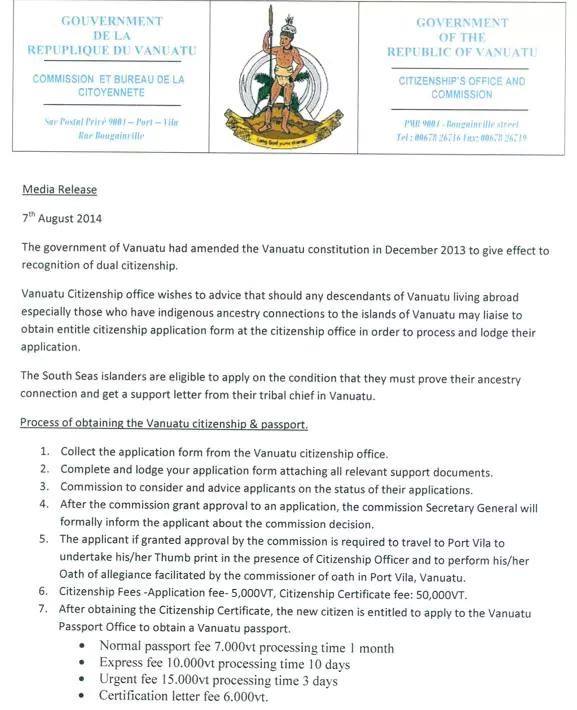
Vanuatu’s Citizenship by Investment (CBI) program has attracted many international investors seeking a second passport. This program allows individuals to obtain Vanuatu citizenship through a financial contribution to the country’s development fund. It is known for its relatively quick processing times and minimal residency requirements, which adds to its appeal. The success and adjustments in this program can significantly impact the passport’s ranking in the years 2026 and beyond.

Factors Affecting Passport Rankings

Several factors can influence a country’s passport ranking, including:

  • Diplomatic Relations: The strength of a country’s diplomatic ties and international agreements plays a vital role in determining visa arrangements.
  • Economic Stability: Political stability and economic performance can affect how other nations perceive a country.
  • Security Concerns: Nations with robust security records and low crime rates tend to enjoy more favorable passport rankings.

The Future Outlook for the Vanuatu Passport

As we look toward 2026, the future of the Vanuatu passport appears promising. With ongoing government initiatives to strengthen bilateral relations and economic development, there is potential for an improvement in its ranking. Additionally, the global trend toward investment migration suggests that interest in Vanuatu’s CBI program may continue to rise.

Conclusion

In conclusion, as of 2026, the Vanuatu passport stands as a strong contender in the global landscape of travel documents. With its associated benefits, including visa-free access to a significant number of countries, it remains an attractive option for those seeking enhanced mobility and opportunities. Whether you are considering applying for a Vanuatu passport or simply want to understand its implications better, staying informed will be key to making the best decision for your future travels and investments.
Understanding Secondary Sanctions and Their Impact on International Business

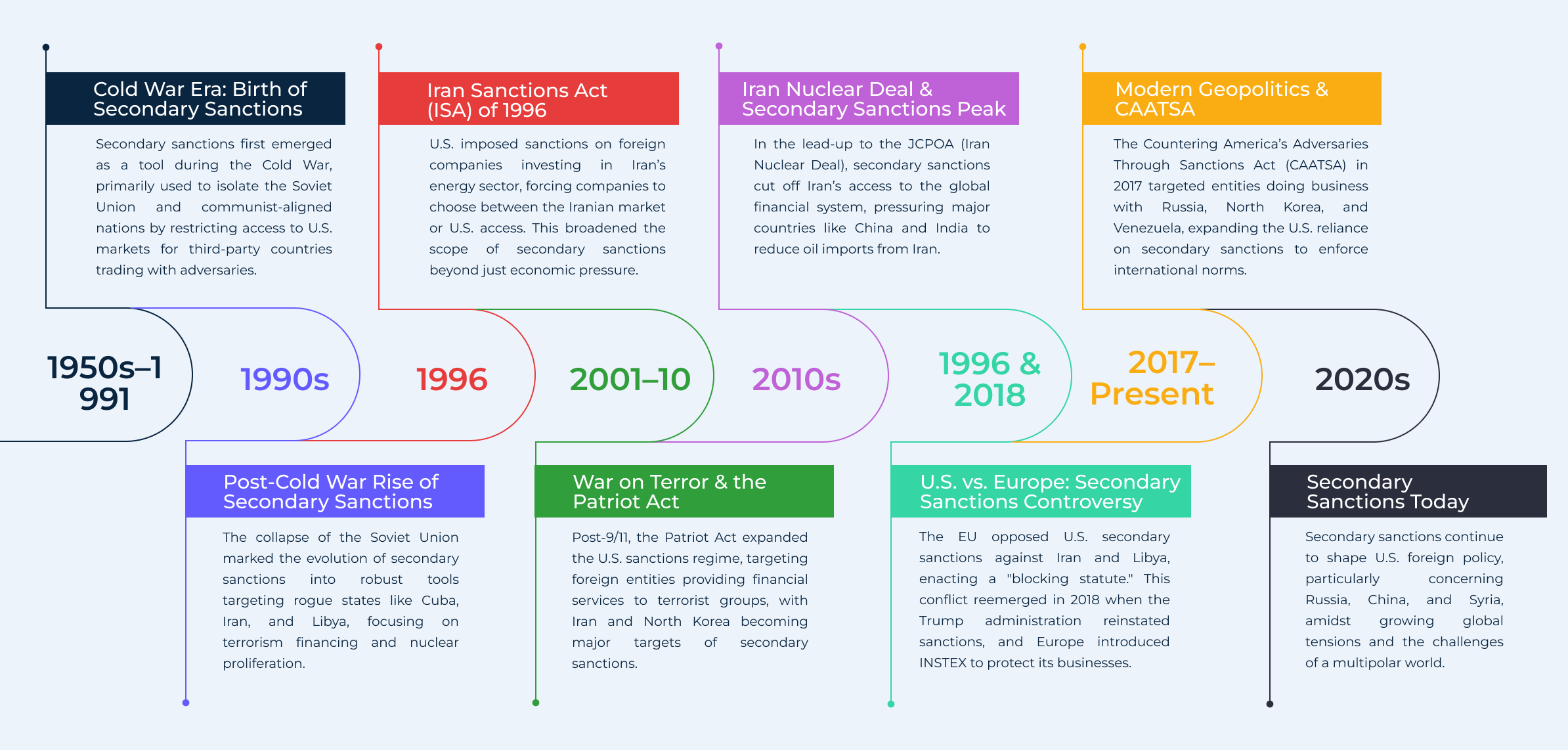
In the modern era of globalization, businesses are increasingly exposed to a range of international regulations that can impose significant risks and obligations. Among these, secondary sanctions are a critical concern for companies operating across borders. These sanctions, imposed by countries such as the United States, extend their reach beyond the primary target of the sanctions to other entities and individuals that engage with the sanctioned party. Secondary Sanctions & International Exposure OFAC Lawyers play an essential role in guiding businesses through the complexities of compliance in this intricate regulatory landscape.

What Are Secondary Sanctions?

Secondary sanctions are measures that can be applied to third parties engaging in business with a sanctioned country or entity. Unlike primary sanctions, which directly target the specific individual or country, secondary sanctions impose penalties on foreign entities that continue to engage in certain activities with the sanctioned party. This creates an extended web of compliance issues for businesses not directly involved with the primary target but still at risk of falling under the enforcement umbrella.

The Mechanics of Secondary Sanctions

The enforcement of secondary sanctions typically occurs through financial institutions and global companies that may risk losing access to U.S. markets or the U.S. banking system if they continue to do business with sanctioned entities. For example, if a European bank provides services to an Iranian company that is subject to U.S. sanctions, it could face severe penalties or restrictions from U.S. financial authorities.

Why Are Secondary Sanctions Implemented?

The rationale behind secondary sanctions is to apply pressure on the primary target while dissuading others from engaging in similar business practices. By threatening to penalize third parties, the sanctioning country aims to isolate the sanctioned entity economically and politically. Secondary sanctions also serve as a tool for projecting a nation’s foreign policy objectives and maintaining its influence over international affairs.

Examples of Secondary Sanctions

One prominent example of secondary sanctions is the U.S. sanctions against Iran. The U.S. has implemented a complex sanctions regime designed to limit Iran’s access to international markets, particularly following its nuclear program controversies. Under these sanctions, foreign entities engaging with Iran’s energy sector or financial institutions risk facing penalties imposed by the U.S. government, which can include restrictions on operating in the U.S. market or being cut off from the U.S. financial system.

The Impact on International Business Operations

The existence of secondary sanctions complicates international trade and investment by creating uncertainty and risk. Companies must conduct thorough due diligence to ensure that their operations do not inadvertently violate any sanctions, which can involve scrutinizing their supply chains, customer relationships, and partnerships.

Due Diligence and Risk Management

To navigate the complexities of secondary sanctions, businesses should adopt robust compliance programs that include thorough risk assessments and regular monitoring of their international dealings. Engaging with experienced legal counsel, such as OFAC Lawyers, can also help companies design effective strategies for mitigating risks and ensuring compliance with relevant regulations.

Consequences of Non-Compliance

The repercussions of failing to comply with secondary sanctions can be severe. Companies may face hefty fines, loss of business opportunities, reputational damage, and even criminal charges against executives. The enforcement of secondary sanctions can also lead to increased scrutiny from regulatory authorities, making it essential for businesses to be vigilant.

Global Reaction to Secondary Sanctions

The use of secondary sanctions has elicited mixed reactions from the international community. While some countries cooperate with the U.S. in enforcing these sanctions, others oppose the overreach of U.S. policy. Countries such as Russia and China have actively sought to counteract U.S. secondary sanctions, fearing their implications for national sovereignty and international business operations.

Strategizing for International Exposure

For businesses aiming to thrive in the international marketplace while managing the risks associated with secondary sanctions, it is crucial to adopt proactive strategies. This includes thoroughly understanding not only the sanctions in place but also the political landscape and relations among countries involved.

Building Resilient Supply Chains

Companies should focus on building resilient and diversified supply chains that minimize reliance on high-risk jurisdictions. This may involve identifying alternative suppliers or markets that are less susceptible to sanctions-related risks. A robust supply chain strategy not only fortifies a business’s position but also enhances its reputation with customers and partners.

Engagement with Stakeholders

Engaging with stakeholders, including customers, investors, and suppliers, is critical when navigating international exposure related to sanctions. Transparency about compliance practices and risk management strategies can build trust and strengthen business relationships, essential for long-term success.

The Future of Secondary Sanctions

The future of secondary sanctions remains uncertain, especially as geopolitical dynamics evolve. Businesses must stay informed about potential changes in the sanctions landscape, including new regulations or shifts in foreign policy. Keeping abreast of developments in international relations and sanctions enforcement will be key to adapting business strategies effectively.

Staying Compliant

Ultimately, the successful navigation of secondary sanctions involves a commitment to compliance and ethical business practices. By prioritizing due diligence, risk management, and effective communication, companies can better position themselves to thrive in a complex and challenging global environment.

Conclusion

As the world becomes more interconnected, the implications of secondary sanctions will continue to shape international business operations. Companies must remain vigilant and proactive in addressing these challenges to minimize risks and seize opportunities in the international marketplace. Engaging with experts in sanctions compliance, like OFAC Lawyers, can provide valuable guidance in navigating these complex regulatory waters.

Unveiling the Benefits of Vanuatu Dual Citizenship

If you’re considering a global citizenship opportunity, Vanuatu Dual Citizenship Vanuatu Golden Passport offers a pathway to not just a second passport, but a myriad of benefits associated with dual citizenship in this beautiful Pacific nation.

An Overview of Vanuatu Dual Citizenship

In a world marked by increasing mobility and global interconnectivity, the concept of dual citizenship has gained significant traction. Vanuatu, an archipelago nation located in the South Pacific, presents a unique option for individuals looking to acquire a second citizenship. Its dual citizenship program is specifically designed to offer individuals greater freedom, security, and financial benefits. This article explores the essence of Vanuatu dual citizenship, the application process, its advantages, and everything you need to consider before applying.

What is Dual Citizenship?

Dual citizenship, also known as dual nationality, is a legal status wherein an individual is recognized as a citizen of two countries simultaneously. Residents of countries that allow dual citizenship enjoy the rights and privileges afforded by both nations, including access to healthcare, education, and even voting rights. However, every country has its own laws governing dual citizenship, with some being more permissive than others. Vanuatu is one such nation that embraces dual citizenship as part of its commitment to global cooperation and investment.

Understanding Vanuatu’s Citizenship by Investment Program

Vanuatu’s Citizenship by Investment program, often referred to as the Vanuatu Golden Passport Program, allows foreign nationals to obtain citizenship in exchange for a significant financial investment in the country. This program was initiated as a means of attracting foreign direct investment, which aids in enhancing the economy of Vanuatu. The minimum investment required is relatively low compared to other countries with citizenship by investment programs, making it an attractive option for many global citizens.

Benefits of Vanuatu Dual Citizenship

Obtaining dual citizenship from Vanuatu comes with a host of benefits that can greatly enhance an individual’s lifestyle. Here are some of the key advantages:

  • Visa-Free Travel: Vanuatu passport holders enjoy visa-free or visa-on-arrival access to over 130 countries, including the European Schengen Area, the United Kingdom, and many countries in Asia and the Pacific.
  • Tax Benefits: Vanuatu is known for its favorable tax environment, with no income tax, inheritance tax, or capital gains tax. This makes it an attractive option for individuals looking to optimize their tax situation.
  • Enhanced Security: Dual citizenship provides individuals with an additional layer of security. In times of political instability or uncertainty in one country, having a second citizenship offers the possibility of alternative residence.
  • Access to Quality Education and Healthcare: Vanuatu citizens can access education and healthcare services in both nations they are citizens of, providing valuable opportunities for themselves and their families.
  • A Peaceful Environment: Vanuatu is renowned for its breathtaking natural beauty and low crime rates, offering a tranquil environment for families and individuals alike.

The Application Process for Vanuatu Dual Citizenship

The application process for acquiring dual citizenship through Vanuatu’s Citizenship by Investment program is relatively straightforward. Here are the key steps you need to follow:

  1. Select an Authorized Agent: To apply for Vanuatu citizenship, you must work with a registered agent authorized by the Vanuatu government. They will guide you through the process and assist with your application.
  2. Choose an Investment Option: There are several investment options available, including contributing to the Vanuatu Development Support Program (VDSP). The minimum investment typically starts at USD 130,000 for a single applicant.
  3. Prepare Required Documents: Prepare all necessary documents, including your passport, financial statements, police clearance, and proof of the source of funds.
  4. Submit Application: Your agent will submit your application to the Vanuatu authorities. Processing times may vary, but it typically takes between 1 to 3 months.
  5. Receive Approval: Upon approval, you will be required to make the investment. Once the investment is completed, you will receive your citizenship certificate and passport.

Considerations Before Applying

While Vanuatu dual citizenship offers numerous advantages, there are several considerations to keep in mind:

  • Financial Commitment: Ensure that you can meet the financial obligations required for the investment, as failure to do so may jeopardize your application.
  • Documentation Requirements: Be prepared to provide comprehensive documentation to comply with the due diligence process.
  • Legal Obligations: Familiarize yourself with the legal implications of dual citizenship, including any obligations you may have under the laws of both countries.

Conclusion

Vanuatu dual citizenship presents a viable option for those seeking increased mobility, financial benefits, and a beautiful place to call home. With its Citizenship by Investment program, prospective citizens can enjoy a streamlined application process and a quick path to citizenship. However, it is essential to approach the application process informed and prepared. Working with a reputable agent can ensure that you navigate the requirements seamlessly and secure your future in this idyllic Pacific paradise.

Nauru Passport Your Gateway to UK Visa-Free Travel

Nauru Passport UK Visa-Free Access: Exploring Opportunities

Travel is an essential part of life for many, and having the right passport can open the doors to numerous opportunities and experiences. If you hold a Nauru Passport UK Visa-Free Access, you’ll be pleased to know that it allows you to travel to the United Kingdom without the hassle of a visa. This article will delve into the advantages of possessing a Nauru Passport, the implications of visa-free travel to the UK, and tips to ensure smooth travels for passport holders.

Understanding the Nauru Passport

The Republic of Nauru is a small island nation located in the Pacific Ocean. Despite its size and population, Nauru is notable for its rich history and resources. The Nauru Passport is a powerful travel document that facilitates ease of movement across various countries, including the UK. Holding this passport not only symbolizes citizenship but also represents the freedom to explore the world.

Visa-Free Access to the UK

One of the most significant benefits of the Nauru Passport is the visa-free access to the United Kingdom. This means that Nauru passport holders can visit the UK for tourism, family visits, or business purposes without the need for a visa, provided their stay does not exceed six months. This access greatly simplifies travel plans and allows for spontaneous trips to one of the most vibrant countries in the world.

Application Process

While traveling to the UK with a Nauru Passport requires no visa, it is essential for travelers to familiarize themselves with the entry requirements. Upon arrival, passport holders must present their valid Nauru Passport, proof of onward travel, and evidence of sufficient funds to cover their stay. It’s also advisable to have accommodation details ready to show authorities, as this can facilitate a smoother immigration process.

Duration of Stay

Nauru passport holders can enjoy a stay of up to six months in the UK. This duration provides ample opportunity for tourists to explore the rich history, culture, and attractions of the UK. However, it’s crucial to be aware of the stipulation that travelers should not engage in paid work or long-term study during their visit. Adhering to these guidelines will ensure a hassle-free experience.

Benefits of Traveling with a Nauru Passport

In addition to the UK visa-free access, the Nauru Passport offers a range of other benefits:

  • Global Mobility: The Nauru Passport enables holders to travel to various countries without the need for a visa.
  • Ease of Travel: With the limitations on visas removed, planning trips becomes significantly easier and more enjoyable.
  • Connection with Societies: Traveling internationally fosters connections and cultural exchanges between Nauruans and other societies.

Travel Tips for Nauru Passport Holders

While the Nauru Passport provides significant benefits, it’s still important for travelers to be well-prepared. Here are some tips to enhance your travel experience:

  1. Check Entry Requirements: Always verify the latest entry requirements for your destination, as policies can change frequently.
  2. Plan Ahead: Ensure you have your travel itinerary organized, including accommodation and transport arrangements.
  3. Stay Informed: Keep up with local news and travel advisories to stay safe while abroad.
  4. Emergency Contacts: Have a list of emergency contacts, including local authorities and the nearest Nauru embassy or consulate.

Cultural Insights: What to Expect in the UK

Traveling to the UK offers a unique opportunity to immerse yourself in its rich cultural landscape. Here are some sights and experiences not to be missed:

  • Historic Landmarks: From the iconic Big Ben to Buckingham Palace, the UK is filled with historic sites.
  • Diverse Culinary Scene: Experience traditional British cuisine and international delicacies across the country.
  • Vibrant Festivals: Participate in various cultural events and festivals that highlight local traditions and celebrations.

Conclusion

In conclusion, the Nauru Passport facilitates visa-free access to the UK, opening up a world of opportunities for travel and cultural exchange. By understanding the entry requirements and preparing adequately, Nauru passport holders can enjoy seamless adventures in the United Kingdom. With careful planning and awareness, travelers can take full advantage of the benefits offered by their passport, creating memories that will last a lifetime.

Understanding Asylum and International Protection in the Modern World

As global conflicts and persecution continue to drive people from their homes, the concepts of Asylum & International Protection have taken on unprecedented importance. Understanding these concepts is crucial for addressing the needs of those who seek safety and security in foreign lands. This article will delve into the intricate legal frameworks, the roles of international organizations, the challenges faced by asylum seekers, and the evolving nature of protection in an unstable world.

What is Asylum?

Asylum is a form of international protection given to individuals in a foreign country due to a well-founded fear of persecution based on race, religion, nationality, membership in a particular social group, or political opinion. The right to seek asylum is recognized in international law, notably under the 1951 Refugee Convention and its 1967 Protocol.

The Process of Seeking Asylum

The asylum process typically involves several stages. First, an individual must arrive in a country and express their intention to seek asylum. This statement may occur at a border, a port of entry, or within the country itself. Following this, the asylum seeker submits an application that outlines the reasons for their claim, often including personal testimonies, evidence of persecution, and any relevant documents.

Once the application is submitted, authorities will conduct interviews and investigations to assess the credibility of the claims. This process varies significantly between countries, with some nations having more streamlined procedures than others. It is crucial for asylum seekers to understand the legal requirements and deadlines specific to the country in which they are applying.

International Frameworks and Organizations

The international community has established various legal frameworks and organizations to protect those seeking asylum. The United Nations High Commissioner for Refugees (UNHCR), founded in 1950, plays a pivotal role in promoting and safeguarding the rights of refugees and asylum seekers. The organization advocates for policies and provides assistance to displaced persons, working to ensure their rights are respected and their needs met.

Moreover, humanitarian obligations under international treaties necessitate that states do not return asylum seekers to countries where their lives or freedoms would be threatened—principle known as non-refoulement. This principle is a cornerstone of international refugee law and underscores the moral and legal imperatives to protect vulnerable populations.

The Challenges of Asylum Seekers

Asylum seekers face numerous challenges throughout the application process. The legal landscape can be complex and overwhelming, often requiring assistance from legal professionals, non-profit organizations, or community support groups. Those lacking resources may struggle to navigate the system effectively, which can lead to delays or rejections of their claims.

Physical and Psychological Struggles

Many asylum seekers have endured traumatic experiences before and during their journey. This trauma can manifest in physical and psychological issues, further complicating their ability to present a coherent case for asylum. Moreover, the uncertainty surrounding their status can cause extreme stress and anxiety, impacting their mental health.

Integration into a new society presents additional difficulties. Language barriers, cultural differences, and limited access to employment or education can hinder their ability to establish stable lives. Many asylum seekers also endure social stigma and discrimination, making it even harder for them to adapt and thrive in their new environments.

Changing Policies and Global Trends

In recent years, policies surrounding asylum and international protection have undergone significant changes in various countries. Movements toward stricter immigration controls and nationalistic sentiments have challenged traditional noti

ons of asylum. Some countries have enacted legislation that narrows the definition of who qualifies for protection, while others have implemented measures that increase deportations of asylum seekers.

In response to these shifts, grassroots movements and advocacy organizations have emerged to support asylum seekers and push for policy reforms. These groups work to raise awareness about the rights of asylum seekers and advocate for humane treatment, drawing attention to the importance of international protection amidst rising xenophobia and misinformation.

The Importance of International Protection

International protection extends beyond asylum and encompasses additional forms of humanitarian relief. Complementary protection is available for those who may not meet the stringent criteria for asylum but still face serious threats upon return to their home countries. This may include individuals at risk of torture, inhumane treatment, or other forms of serious harm.

Recognizing the multifaceted nature of displacement is essential in crafting effective policies. By ensuring that all individuals in need of protection receive appropriate support, the international community can uphold its commitment to human rights and dignity.

Conclusion

Asylum and international protection remain vital in a world marked by turmoil and uncertainty. Understanding the complexities and challenges associated with these processes empowers us to advocate for those seeking safety and to foster a more just global society. Through continued education and awareness, we can challenge the narratives that fuel discrimination and work towards a future where everyone has the right to seek refuge from persecution.

Understanding the Role of Sanctions Lawyers in International Law 949999953

In today’s globalized world, the imposition of economic and political sanctions has become a common tool for states to exert influence and achieve foreign policy objectives. sanctions lawyers play a vital role in this landscape, offering clients expert guidance through the complexities of sanctions compliance and legal challenges. This article delves into the significance of sanctions lawyers, their areas of expertise, and the impact of their work on individuals and corporations alike.

What Are Sanctions?

Sanctions are restrictive measures imposed by countries or international organizations to influence the behavior of individuals, entities, or entire nations. They can take various forms, including trade restrictions, asset freezes, visa bans, and financial prohibitions. The aim of sanctions is often to compel a change in policy, punish wrongdoing, or prevent potential threats to international peace and security. However, the effectiveness of sanctions and their implications on human rights, governance, and global trade are frequently debated topics.

The Role of Sanctions Lawyers

Sanctions lawyers are legal professionals specializing in the area of sanctions law. They provide essential services that include advising clients on compliance with sanctions regulations, representing clients in enforcement proceedings, and litigating issues related to sanctions. Their expertise is critical in helping clients navigate the legal landscape shaped by complex international laws.

Compliance and Advisory Services

One of the primary responsibilities of sanctions lawyers is to assist clients in ensuring compliance with applicable sanctions regimes. This may involve conducting risk assessments, developing compliance programs, and providing training for employees. Lawyers help companies understand the implications of sanctions on their operations, including how to engage with suppliers and customers in sanctioned jurisdictions.

Risk Assessments

Risk assessments are vital for businesses that operate internationally or engage in cross-border transactions. Lawyers evaluate the potential risks associated with sanctions and advise clients on how to mitigate those risks. This includes reviewing transactions, customer relationships, and supply chains to identify any potential exposure to sanctioned individuals or entities.

Compliance Programs

Creating robust compliance programs is essential for companies to effectively manage their exposure to sanctions risks. Sanctions lawyers assist organizations in designing policies and procedures that align with evolving sanctions regulations, ensuring that their operations remain compliant. This might include internal controls, training sessions, and the implementation of monitoring systems.

Enforcement and Representation

When sanctions violations occur, the consequences can be severe, including hefty fines and reputational damage. Sanctions lawyers represent clients in enforcement actions initiated by government authorities, helping them navigate investigations and defend against allegations of non-compliance. In such cases, lawyers leverage their expertise to negotiate settlements or advocate for reduced penalties.

Litigation in Sanctions Cases

Beyond enforcement, sanctions lawyers may become involved in litigation pertaining to sanctions. They may represent clients in court cases challenging the legality of sanctions or defending against claims made by regulatory bodies. Understanding the intersection of domestic and international law is crucial, as sanctions frequently involve complex jurisdictional issues.

Key Challenges Faced by Sanctions Lawyers

The field of sanctions law is constantly evolving, influenced by geopolitical changes and international relations. Sanctions lawyers face several challenges, including:

  • Keeping Abreast of Changing Regulations: Sanctions regimes can change rapidly, requiring lawyers to stay informed about new developments and adjust their advice accordingly.
  • Global Jurisdictional Issues: The enforcement of sanctions involves multiple jurisdictions, complicating compliance efforts for clients who operate internationally.
  • Balancing Compliance and Business Interests: Lawyers must help clients maintain compliance while also supporting their business objectives, which can sometimes be at odds with sanctions regulations.

The Importance of International Cooperation

Given that sanctions are often implemented internationally, collaboration among different countries‘ legal frameworks is essential. Sanctions lawyers often work in conjunction with international experts, regulatory bodies, and government agencies to align compliance efforts and share best practices. This international cooperation not only enhances the effectiveness of sanctions but also helps ensure that they are applied fairly and consistently.

Future Trends in Sanctions Law

The landscape of sanctions law is constantly evolving, and several trends are likely to shape the field in the coming years:

  • Increased Emphasis on Human Rights: There is a growing recognition that sanctions should be tailored to minimize humanitarian impacts, leading to more nuanced approaches that consider human rights implications.
  • Technological Advancements: Emerging technologies, such as blockchain and AI, will play an increasing role in sanctions compliance, helping organizations better track transactions and identify risks.
  • Heightened Enforcement: Governments are likely to intensify enforcement actions against violations, leading to a greater demand for sanctions lawyers who can provide guidance and representation.

Conclusion

Sanctions lawyers are indispensable in guiding clients through the complex landscape of sanctions compliance, enforcement, and litigation. Their expertise ensures that individuals and organizations can navigate the challenges of international law while minimizing risks and protecting their interests. As the world continues to grapple with geopolitical tensions and evolving legal frameworks, the role of sanctions lawyers will only become more critical in shaping the future of international relations.

The Comprehensive Guide to Sao Tome Citizenship Application Process

The Comprehensive Guide to Sao Tome Citizenship Application Process

Embarking on the journey to acquire citizenship in Sao Tome is an exciting endeavor. With its stunning landscapes and vibrant culture, Sao Tome offers numerous benefits for new citizens. In this guide, we will walk you through the Sao Tome Citizenship Application Process Sao Tome CBI application process, outlining every necessary step, eligibility criteria, and the advantages of obtaining citizenship in this beautiful island nation.

Understanding Sao Tome and Principe

Sao Tome and Principe, a small archipelago located in the Gulf of Guinea off the western coast of Central Africa, is renowned for its rich biodiversity and welcoming atmosphere. Although it is one of the lesser-known tourist destinations, it boasts a unique charm, a growing economy, and a low-cost living standard that attracts expatriates and investors alike. The government offers several pathways for foreigners to gain citizenship, particularly through Economic Citizenship programs.

Why Apply for Sao Tome Citizenship?

Applying for citizenship in Sao Tome comes with a variety of benefits, including:

  • Visa-Free Travel: Sao Tome citizens enjoy visa-free access to numerous countries, facilitating global travel.
  • Stable Environment: The political landscape in Sao Tome is relatively stable, providing a safe haven for new citizens.
  • Investment Opportunities: Citizenship often opens doors to attractive business prospects in an emerging market.
  • Beautiful Living Environment: The islands are celebrated for their stunning natural beauty and a relaxed lifestyle.

Eligibility Criteria for Citizenship

Before starting the application process, it is crucial to assess whether you meet the eligibility criteria. Typically, the following groups are eligible to apply for citizenship in Sao Tome:

  • Individuals over 18 years of age.
  • Investors willing to contribute to the country’s economic development.
  • Persons with family ties to Sao Tome citizens.

It may also be necessary to meet certain health and character requirements during the application process.

The Application Process

The application process for Sao Tome citizenship can be divided into several key steps:

  1. Choose Your Investment Option: The first step is to decide how you wish to invest. Sao Tome offers various options, including direct donations to development funds or real estate investments.
  2. Gather Required Documentation: Prepare the necessary documents, which typically include proof of identity, financial records, and medical certificates.
  3. Submit Application: Applications should be submitted through an authorized agent or firm specializing in citizenship by investment.
  4. Government Review: After submission, the government of Sao Tome will review your application and may ask for additional information.
  5. Approval and Citizenship Grant: Upon approval, you will be granted citizenship, and you will receive your citizenship certificate.

Key Documents Required

The documentation required for the application may vary slightly based on the investment option, but generally, you will need the following:

  • Valid passport with at least six months’ validity.
  • Proof of investment funds (bank statements, letters of credit).
  • Criminal record clearance certificate.
  • Medical health report.
  • Proof of residence for the past five years.

Timeline for the Application Process

The timeframes for the Sao Tome citizenship application can vary depending on various factors such as the completeness of your application and the current processing times. Generally, applicants can expect the following timeline:

  • Preparation of Documents: 1-2 months.
  • Government Processing: 3-6 months.
  • Approval and Certificate Issuance: 1 month.

In total, the entire process may take 6 to 12 months, so it’s essential to plan accordingly.

Potential Challenges

While the citizenship application process in Sao Tome is generally straightforward, applicants may face challenges such as:

  • Documentation Delays: Incomplete or incorrectly filled forms can delay the process, so attention to detail is vital.
  • Government Scrutiny: The authorities thoroughly vet applicants, especially concerning financial backgrounds and health statuses.
  • Changing Regulations: It’s essential to stay updated on any changes in the citizenship laws of Sao Tome.

Conclusion

Acquiring citizenship in Sao Tome and Principe presents an array of opportunities for investors and their families. With its serene beauty, attractive investment environment, and welcoming people, Sao Tome is a fantastic place to call home. Although the application process may seem daunting, proper preparation, including understanding eligibility criteria and gathering necessary documents, sets the foundation for a successful application. By following the steps outlined in this guide, you can navigate the citizenship process more effectively and look forward to the benefits that come with being a citizen of Sao Tome.

Unlocking Opportunities Vanuatu Citizenship for Investors 947548921

Vanuatu Citizenship for Investors: A Gateway to New Opportunities

In an increasingly interconnected world, the ability to travel, live, and work in different countries is more valuable than ever. For investors seeking favorable conditions for business and personal development, Vanuatu Citizenship for Investors offers a unique and appealing option. Vanuatu, an archipelago located in the South Pacific Ocean, has become a sought-after destination for those looking to obtain citizenship through investment. This article delves into the details of the Vanuatu citizenship program, the benefits it offers, and the application process.

Understanding the Vanuatu Citizenship by Investment Program

Launched in 2017, the Vanuatu Citizenship by Investment (CBI) program allows foreign nationals to acquire citizenship in exchange for a financial contribution to the country’s development. The program is designed to attract foreign investment while providing investors with a fast and efficient pathway to citizenship. Vanuatu has managed to streamline its processing times, allowing successful applicants to receive their citizenship in as little as 30 to 60 days.

Key Benefits of Vanuatu Citizenship

The benefits of obtaining Vanuatu citizenship extend beyond mere legal status. Here are several key advantages:

1. Visa-Free Travel

One of the most significant perks of Vanuatu citizenship is the ability to travel visa-free to over 130 countries. This includes popular destinations across Europe, Asia, and the Pacific, making it a valuable asset for global entrepreneurs and business travelers.

2. Business Opportunities

Vanuatu offers an attractive business environment with no personal income tax, corporate tax rates capped at 30%, and no capital gains tax. This tax framework makes Vanuatu an appealing location for entrepreneurs and investors looking to maximize returns on their investments.

3. Quality of Life

Vanuatu is known for its stunning natural beauty, vibrant culture, and welcoming communities. The archipelago boasts a rich array of recreational activities, from scuba diving in crystal-clear waters to exploring lush rainforests. For families and individuals seeking a peaceful lifestyle, Vanuatu presents an idyllic setting.

4. Dual Citizenship Accepted

Vanuatu allows dual citizenship, meaning investors can retain their original nationality while enjoying the benefits of being a citizen of Vanuatu. This flexibility is particularly advantageous for those whose home countries permit dual nationality.

The Investment Process

The application process for Vanuatu citizenship through investment is straightforward but requires careful consideration of the investment options available. Here are the main steps involved:

1. Choose Your Investment Option

Investors can choose from several options for contributing to Vanuatu’s economy. The most common route involves making a donation to the Vanuatu Development Support Program (VDSP), w

hich is aimed at enhancing the country’s infrastructure and services. The minimum contribution for a single applicant is approximately $130,000, with additional fees for family members.

2. Gather Required Documentation

Applicants must prepare and submit various documents as part of the application process. This typically includes a valid passport, proof of clean criminal record, medical certificates, and financial statements demonstrating the source of the investment funds.

3. Submit Your Application

Once all required documentation is in order, the application is submitted to the Vanuatu Citizenship Commission. After thorough review and approval, citizenship is granted.

4. Receive Your Citizenship Certificate

Successful applicants will receive their citizenship certificate, which can be used for applying for a Vanuatu passport. The passport itself is a valuable asset that enhances the ability to travel and do business globally.

Challenges and Considerations

While the Vanuatu citizenship program offers numerous benefits, potential investors should also consider some challenges:

1. Reputation and Perceptions

Citizenship by investment programs can sometimes face scrutiny, and prospective investors should research and ensure that they are working with reputable agents or firms. It’s essential to verify the legitimacy of the investment option being pursued to avoid potential pitfalls.

2. Long-Term Stability

As with any investment, potential risks include political and economic stability. Investors should stay informed about any changes in laws or policies that could impact their investment and citizenship status.

Conclusion

Vanuatu’s Citizenship by Investment program presents a unique opportunity for investors looking to expand their global footprint. With its attractive benefits, including visa-free travel, favorable taxation, and an appealing quality of life, Vanuatu is an excellent choice for those seeking new avenues for personal and professional growth. As with any major decision, it is advisable to conduct thorough research and consult with experts in the field before making a commitment. By understanding the intricacies of the process and weighing the pros and cons, investors can make informed decisions that align with their long-term goals.

Sao Tome vs Vanuatu Citizenship A Comprehensive Comparison

Sao Tome vs Vanuatu Citizenship: Which Offers Greater Opportunities?

As the world becomes more interconnected, the opportunity to hold multiple citizenships has become increasingly desirable. Many individuals are now looking for citizenship that offers not only a broadened lifestyle but also better economic prospects, global mobility, and a more favorable tax environment. Among many options available, Sao Tome vs Vanuatu Citizenship: Which Is Better? provides a comparison of two attractive citizenship programs from Sao Tome and Principe and Vanuatu. This article aims to delve deep into these two citizenship options and evaluate their benefits, drawbacks, and appeal to potential applicants.

Overview of Sao Tome and Vanuatu

Sao Tome and Principe

Sao Tome and Principe is a small island nation located in the Gulf of Guinea. It is known for its stunning natural beauty, lush landscapes, and rich biodiversity. The country’s economy is primarily based on agriculture, with cocoa being the main export product. Over the years, Sao Tome has developed its citizenship by investment program, allowing foreign nationals to gain citizenship in exchange for investment, primarily in real estate or government-approved projects.

Vanuatu

Vanuatu, a beautiful archipelago located in the South Pacific, is well-known for its friendly inhabitants, breathtaking landscapes, and vibrant culture. Vanuatu has become increasingly popular due to its Citizenship by Investment Program, which offers individuals the ability to obtain citizenship through qualifying investments. The country has a growing tourism sector and is often viewed as a tax haven due to its lack of income tax and other tax benefits.

Citizenship by Investment Programs

Sao Tome and Principe Citizenship Program

The citizenship program of Sao Tome and Principe has gained traction among investors due to its relative affordability and streamlined process. Candidates can apply for citizenship through real estate investments starting at around $200,000. This relatively low entry point has made it attractive for many. However, it also requires a commitment to the island’s development, ensuring that investments contribute positively to the local economy.

Vanuatu Citizenship Program

Vanuatu’s citizenship program is known for its speed and efficiency. Applicants can acquire citizenship in as little as 30 days through the Donation Program, starting at $130,000. This program enables contributions to the National Development Fund, which directly benefits the government and local projects. Moreover, Vanuatu offers a favorable tax climate, making it appealing for many seeking citizenship for financial reasons.

Benefits and Drawbacks of Sao Tome Citizenship

Benefits

  • Affordability: The investment amounts for obtaining citizenship are relatively lower compared to many other countries.
  • Gateway to Africa: Holding Sao Tome citizenship provides a gateway to explore opportunities across the African continent.
  • Beautiful Environment: Citizens can enjoy the natural beauty, biodiversity, and tropical climate of the islands.

Drawbacks

  • Limited Global Mobility: Visa-free access may not be as extensive as that offered by other citizenships.
  • Economic Stability: As a developing nation, Sao Tome faces economic challenges that may affect investment returns.
  • Limited International Recognition: Lesser-known as a citizenship option, resulting in fewer resources and connections for expatriates.

Benefits and Drawbacks of Vanuatu Citizenship

Benefits

  • Fast Processing Time: Citizenship can be obtained in a very short time frame—sometimes within a month.
  • Tax Benefits: Vanuatu does not impose income tax, capital gains tax, or inheritance tax.
  • Global Mobility: A Vanuatu passport allows visa-free or visa-on-arrival access to several countries worldwide.

Drawbacks

  • Higher Investment Requirement: The minimum investment for the citizenship program is relatively high, especially compared to Sao Tome.
  • Vulnerability to Natural Disasters: Being an island nation, Vanuatu faces risks from cyclones and other natural events.

Quality of Life

Quality of life is an essential consideration for anyone contemplating citizenship. Sao Tome offers serene living with a relaxed pace and a tight-knit community. However, infrastructure and healthcare services may not be as advanced as those in more developed nations.

On the other hand, Vanuatu boasts a unique blend of modern amenities while preserving its cultural heritage. With a significant focus on sustainability and preserving its environment, the lifestyle in Vanuatu can be appealing to those seeking both tranquility and access to modern services.

Conclusion: Which is Better?

Choosing between Sao Tome and Vanuatu for citizenship ultimately depends on individual priorities. If affordability and a relaxed island lifestyle are paramount, Sao Tome may be the better choice. Conversely, for those prioritizing rapid processing, favorable tax benefits, and broader global access, Vanuatu stands out as the more attractive option. Given the distinct advantages and drawbacks of each, it is essential for potential applicants to conduct thorough research based on their unique circumstances, personal values, and long-term goals.

Nauru Climate Resilience Fund Investment A Sustainable Future

Nauru Climate Resilience Fund Investment

The Nauru Climate Resilience Fund Investment Nauru CBI is pivotal to understanding Nauru’s ambitions for climate resilience and sustainable development. As one of the smallest nations in the world, Nauru faces unique challenges, particularly regarding climate change. With rising sea levels, increasing temperatures, and extreme weather, the urgency for a substantial response has never been greater. The Nauru Climate Resilience Fund (NCRF) represents a strategic initiative designed to fortify the island’s ability to adapt and thrive in the face of these environmental challenges.

The Importance of Climate Resilience in Nauru

Nauru, located in the Pacific Ocean, is highly vulnerable to climate change due to its low-lying terrain and limited resources. The effects of climate change are already noticeable: coastal erosion, drought, and unpredictable weather patterns threaten not only the physical landscape but also the socioeconomic stability of its inhabitants. As a result, the Nauru government has recognized the importance of creating robust systems that can withstand environmental shocks through the NCRF.

Objectives of the Nauru Climate Resilience Fund

The primary goals of the NCRF are to:

  • Enhance infrastructure to withstand extreme weather events.
  • Promote sustainable agricultural practices to ensure food security.
  • Support the conservation of natural habitats and biodiversity.
  • Invest in renewable energy sources to reduce dependency on imported fossil fuels.
  • Engage communities in local climate action initiatives.

Funding Mechanisms and Investment Strategy

Investment in the NCRF is structured to mobilize both domestic and international funding. This includes leveraging contributions from bilateral and multilateral partners, private sector investments, and non-governmental organizations. The fund aims to create a diversified portfolio that ensures sustainability and growth while providing tangible returns to investors.

Public-Private Partnerships

One of the innovative strategies employed by the NCRF is the establishment of public-private partnerships (PPPs). By collaborating with private entities, the government can harness expertise, technology, and additional capital that would otherwise be beyond reach. These partnerships are crucial for implementing large-scale projects, such as improving water management systems or enhancing coastal defense structures.

Community Engagement and Capacity Building

Community involvement is a cornerstone of the NCRF’s approach. By engaging local populations in decision-making processes, the fund ensures that investments reflect the actual needs and priorities of the community. Educational programs and capacity-building initiatives are implemented to empower residents to become active participants in climate resilience efforts.

Training and Education Initiatives

Through workshops and training sessions, the NCRF promotes awareness of climate issues and teaches sustainable practices. Local farmers, fo

r example, may receive training in climate-smart agricultural techniques, while youths are encouraged to partake in environmental stewardship programs. This multifaceted approach not only helps build resilience but also fosters a sense of ownership over the island’s future.

Challenges and Opportunities

Despite its promising framework, the NCRF faces significant challenges. The foremost among these is the limited financial resources and capacity. Nauru’s economic base is fragile, primarily reliant on phosphate mining and remittances. Diversifying the economy to secure sustainable revenue streams for climate initiatives presents a significant challenge.

However, the situation isn’t entirely bleak. The increasing global awareness of climate issues offers opportunities for Nauru to attract international investment. The NCRF can serve as a model for other small island nations facing similar predicaments, providing a framework for experiences and lessons learned in effective climate adaptation strategies.

Case Studies of Successful Climate Resilience Investments

To illustrate the NCRF’s potential impact, several successful case studies can be highlighted. For example, investments in sustainable water management systems have led to improved access to clean water, reducing health risks associated with contaminated sources. Similarly, the restoration of mangrove forests has not only increased biodiversity but also provided critical buffers against storm surges.

Leveraging Global Networks

Nauru’s participation in international forums and environmental agreements has enabled it to share its experiences and learn from others. Collaborative efforts through platforms like the United Nations Framework Convention on Climate Change (UNFCCC) have yielded significant insights into best practices and innovations in climate resilience.

The Future of the Nauru Climate Resilience Fund

Looking ahead, the NCRF is well-positioned to evolve and adapt to the changing circumstances of climate dynamics. Continuous assessment and feedback mechanisms will be vital in refining strategies and ensuring their effectiveness. Additionally, enhancing transparency and accountability will bolster investor confidence, crucial for attracting ongoing investment.

Conclusion

The Nauru Climate Resilience Fund is a vital investment in the future of this small island nation. By fostering collaboration among stakeholders, engaging communities, and promoting sustainable practices, Nauru can build a resilient future in the face of climate change. The triumphs and challenges faced by the NCRF may serve as a learning platform for other nations struggling with similar climate-related vulnerabilities, ultimately contributing to a collective effort towards global sustainability.