Nauru Climate Resilience Fund Investment
The Nauru Climate Resilience Fund Investment Nauru CBI is pivotal to understanding Nauru’s ambitions for climate resilience and sustainable development. As one of the smallest nations in the world, Nauru faces unique challenges, particularly regarding climate change. With rising sea levels, increasing temperatures, and extreme weather, the urgency for a substantial response has never been greater. The Nauru Climate Resilience Fund (NCRF) represents a strategic initiative designed to fortify the island’s ability to adapt and thrive in the face of these environmental challenges.

The Importance of Climate Resilience in Nauru
Nauru, located in the Pacific Ocean, is highly vulnerable to climate change due to its low-lying terrain and limited resources. The effects of climate change are already noticeable: coastal erosion, drought, and unpredictable weather patterns threaten not only the physical landscape but also the socioeconomic stability of its inhabitants. As a result, the Nauru government has recognized the importance of creating robust systems that can withstand environmental shocks through the NCRF.
Objectives of the Nauru Climate Resilience Fund
The primary goals of the NCRF are to:
- Enhance infrastructure to withstand extreme weather events.
- Promote sustainable agricultural practices to ensure food security.
- Support the conservation of natural habitats and biodiversity.
- Invest in renewable energy sources to reduce dependency on imported fossil fuels.
- Engage communities in local climate action initiatives.
Funding Mechanisms and Investment Strategy
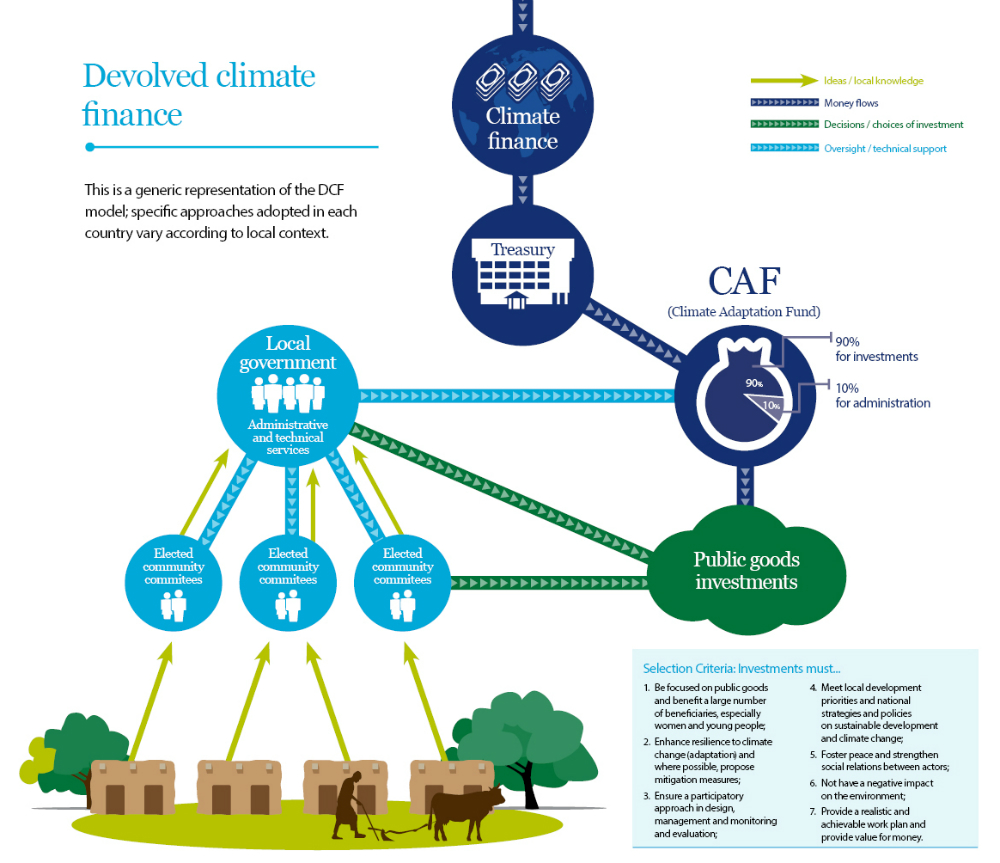
Investment in the NCRF is structured to mobilize both domestic and international funding. This includes leveraging contributions from bilateral and multilateral partners, private sector investments, and non-governmental organizations. The fund aims to create a diversified portfolio that ensures sustainability and growth while providing tangible returns to investors.
Public-Private Partnerships
One of the innovative strategies employed by the NCRF is the establishment of public-private partnerships (PPPs). By collaborating with private entities, the government can harness expertise, technology, and additional capital that would otherwise be beyond reach. These partnerships are crucial for implementing large-scale projects, such as improving water management systems or enhancing coastal defense structures.
Community Engagement and Capacity Building
Community involvement is a cornerstone of the NCRF’s approach. By engaging local populations in decision-making processes, the fund ensures that investments reflect the actual needs and priorities of the community. Educational programs and capacity-building initiatives are implemented to empower residents to become active participants in climate resilience efforts.
Training and Education Initiatives
Through workshops and training sessions, the NCRF promotes awareness of climate issues and teaches sustainable practices. Local farmers, fo

r example, may receive training in climate-smart agricultural techniques, while youths are encouraged to partake in environmental stewardship programs. This multifaceted approach not only helps build resilience but also fosters a sense of ownership over the island’s future.
Challenges and Opportunities
Despite its promising framework, the NCRF faces significant challenges. The foremost among these is the limited financial resources and capacity. Nauru’s economic base is fragile, primarily reliant on phosphate mining and remittances. Diversifying the economy to secure sustainable revenue streams for climate initiatives presents a significant challenge.
However, the situation isn’t entirely bleak. The increasing global awareness of climate issues offers opportunities for Nauru to attract international investment. The NCRF can serve as a model for other small island nations facing similar predicaments, providing a framework for experiences and lessons learned in effective climate adaptation strategies.
Case Studies of Successful Climate Resilience Investments
To illustrate the NCRF’s potential impact, several successful case studies can be highlighted. For example, investments in sustainable water management systems have led to improved access to clean water, reducing health risks associated with contaminated sources. Similarly, the restoration of mangrove forests has not only increased biodiversity but also provided critical buffers against storm surges.
Leveraging Global Networks
Nauru’s participation in international forums and environmental agreements has enabled it to share its experiences and learn from others. Collaborative efforts through platforms like the United Nations Framework Convention on Climate Change (UNFCCC) have yielded significant insights into best practices and innovations in climate resilience.
The Future of the Nauru Climate Resilience Fund
Looking ahead, the NCRF is well-positioned to evolve and adapt to the changing circumstances of climate dynamics. Continuous assessment and feedback mechanisms will be vital in refining strategies and ensuring their effectiveness. Additionally, enhancing transparency and accountability will bolster investor confidence, crucial for attracting ongoing investment.
Conclusion
The Nauru Climate Resilience Fund is a vital investment in the future of this small island nation. By fostering collaboration among stakeholders, engaging communities, and promoting sustainable practices, Nauru can build a resilient future in the face of climate change. The triumphs and challenges faced by the NCRF may serve as a learning platform for other nations struggling with similar climate-related vulnerabilities, ultimately contributing to a collective effort towards global sustainability.