In the modern era of globalization, businesses are increasingly exposed to a range of international regulations that can impose significant risks and obligations. Among these, secondary sanctions are a critical concern for companies operating across borders. These sanctions, imposed by countries such as the United States, extend their reach beyond the primary target of the sanctions to other entities and individuals that engage with the sanctioned party. Secondary Sanctions & International Exposure OFAC Lawyers play an essential role in guiding businesses through the complexities of compliance in this intricate regulatory landscape.
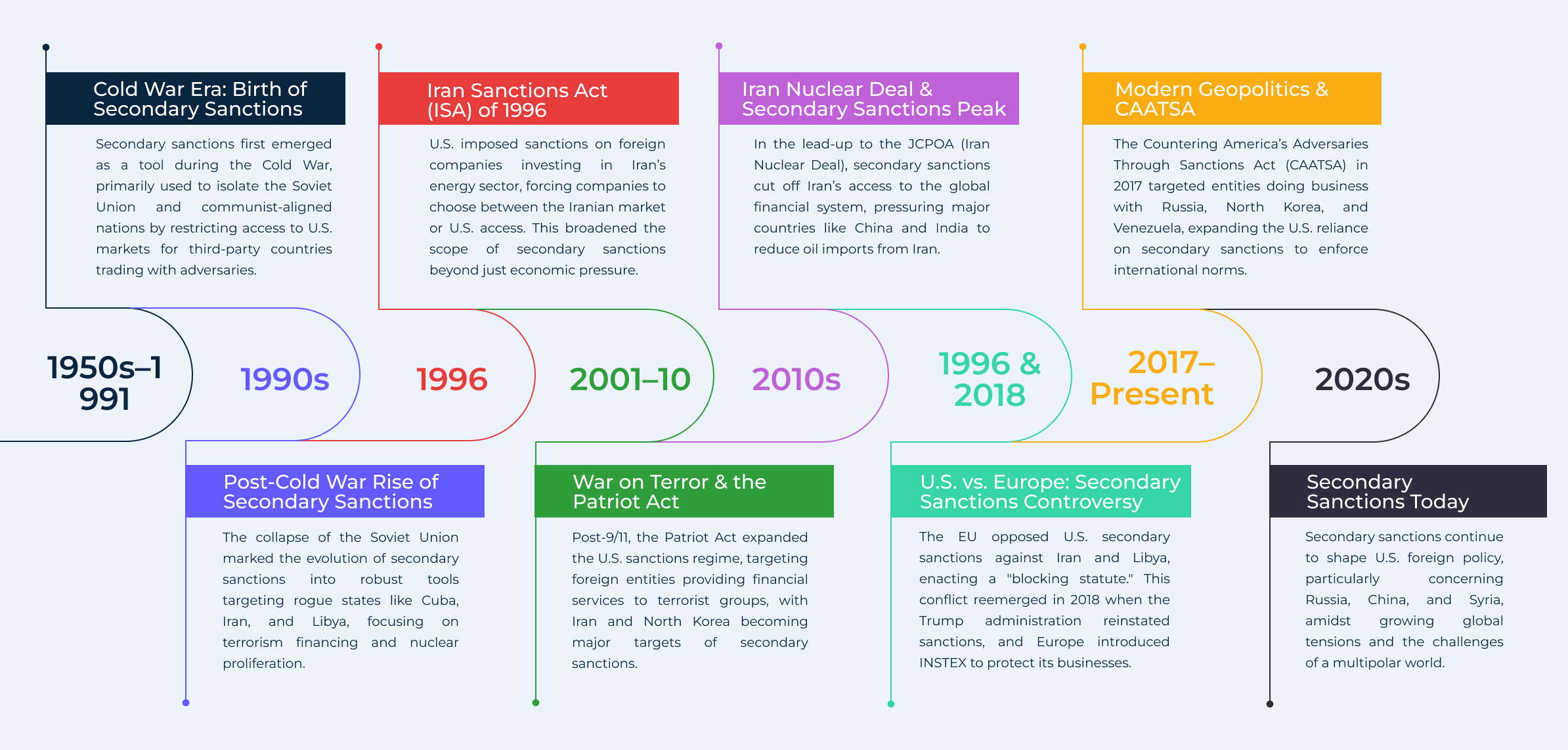
What Are Secondary Sanctions?
Secondary sanctions are measures that can be applied to third parties engaging in business with a sanctioned country or entity. Unlike primary sanctions, which directly target the specific individual or country, secondary sanctions impose penalties on foreign entities that continue to engage in certain activities with the sanctioned party. This creates an extended web of compliance issues for businesses not directly involved with the primary target but still at risk of falling under the enforcement umbrella.
The Mechanics of Secondary Sanctions
The enforcement of secondary sanctions typically occurs through financial institutions and global companies that may risk losing access to U.S. markets or the U.S. banking system if they continue to do business with sanctioned entities. For example, if a European bank provides services to an Iranian company that is subject to U.S. sanctions, it could face severe penalties or restrictions from U.S. financial authorities.
Why Are Secondary Sanctions Implemented?
The rationale behind secondary sanctions is to apply pressure on the primary target while dissuading others from engaging in similar business practices. By threatening to penalize third parties, the sanctioning country aims to isolate the sanctioned entity economically and politically. Secondary sanctions also serve as a tool for projecting a nation’s foreign policy objectives and maintaining its influence over international affairs.

Examples of Secondary Sanctions
One prominent example of secondary sanctions is the U.S. sanctions against Iran. The U.S. has implemented a complex sanctions regime designed to limit Iran’s access to international markets, particularly following its nuclear program controversies. Under these sanctions, foreign entities engaging with Iran’s energy sector or financial institutions risk facing penalties imposed by the U.S. government, which can include restrictions on operating in the U.S. market or being cut off from the U.S. financial system.
The Impact on International Business Operations
The existence of secondary sanctions complicates international trade and investment by creating uncertainty and risk. Companies must conduct thorough due diligence to ensure that their operations do not inadvertently violate any sanctions, which can involve scrutinizing their supply chains, customer relationships, and partnerships.
Due Diligence and Risk Management
To navigate the complexities of secondary sanctions, businesses should adopt robust compliance programs that include thorough risk assessments and regular monitoring of their international dealings. Engaging with experienced legal counsel, such as OFAC Lawyers, can also help companies design effective strategies for mitigating risks and ensuring compliance with relevant regulations.
Consequences of Non-Compliance
The repercussions of failing to comply with secondary sanctions can be severe. Companies may face hefty fines, loss of business opportunities, reputational damage, and even criminal charges against executives. The enforcement of secondary sanctions can also lead to increased scrutiny from regulatory authorities, making it essential for businesses to be vigilant.
Global Reaction to Secondary Sanctions
The use of secondary sanctions has elicited mixed reactions from the international community. While some countries cooperate with the U.S. in enforcing these sanctions, others oppose the overreach of U.S. policy. Countries such as Russia and China have actively sought to counteract U.S. secondary sanctions, fearing their implications for national sovereignty and international business operations.
Strategizing for International Exposure
For businesses aiming to thrive in the international marketplace while managing the risks associated with secondary sanctions, it is crucial to adopt proactive strategies. This includes thoroughly understanding not only the sanctions in place but also the political landscape and relations among countries involved.
Building Resilient Supply Chains
Companies should focus on building resilient and diversified supply chains that minimize reliance on high-risk jurisdictions. This may involve identifying alternative suppliers or markets that are less susceptible to sanctions-related risks. A robust supply chain strategy not only fortifies a business’s position but also enhances its reputation with customers and partners.
Engagement with Stakeholders
Engaging with stakeholders, including customers, investors, and suppliers, is critical when navigating international exposure related to sanctions. Transparency about compliance practices and risk management strategies can build trust and strengthen business relationships, essential for long-term success.

The Future of Secondary Sanctions
The future of secondary sanctions remains uncertain, especially as geopolitical dynamics evolve. Businesses must stay informed about potential changes in the sanctions landscape, including new regulations or shifts in foreign policy. Keeping abreast of developments in international relations and sanctions enforcement will be key to adapting business strategies effectively.
Staying Compliant
Ultimately, the successful navigation of secondary sanctions involves a commitment to compliance and ethical business practices. By prioritizing due diligence, risk management, and effective communication, companies can better position themselves to thrive in a complex and challenging global environment.
Conclusion
As the world becomes more interconnected, the implications of secondary sanctions will continue to shape international business operations. Companies must remain vigilant and proactive in addressing these challenges to minimize risks and seize opportunities in the international marketplace. Engaging with experts in sanctions compliance, like OFAC Lawyers, can provide valuable guidance in navigating these complex regulatory waters.