
The State of British Horse Racing: What Happens When Events Are Not On
British horse racing is not just a passion; it’s an industry steeped in history and culture. However, there are times when significant events are not on, raising questions and creating challenges for enthusiasts and stakeholders alike. The impact can be felt across various spheres, from the trainers and jockeys to the casual spectators and British horse racing not on GamStop bookies not on GamStop horse racing. In this article, we will explore what occurs in the British horse racing world when key races are canceled or postponed and how this ripple effect influences the entire ecosystem of the sport.
The Rich Heritage of British Horse Racing
British horse racing boasts a history that dates back centuries. With events like The Derby and The Grand National capturing the public’s imagination, the sport enjoys a dedicated following. However, the foundations of this heritage are often challenged by unforeseen events, such as extreme weather, safety concerns, or even public health crises. Each of these factors can lead to events being called off, leading to significant repercussions.
The Economic Impact
Horse racing in Britain generates millions of pounds annually through betting, sponsorships, and attendance. When events are not on, this economic engine is halted. The financial implications extend beyond the racecourses to local economies that thrive on racing events. Hotels, restaurants, and related businesses experience a sharp decline in revenue, which can take considerable time to recover from. The knock-on effect can be devastating, with job losses and reduced business continuity being potential outcomes.
The Effect on Stakeholders
The repercussions of canceled events ripple through the ranks of those involved in the sport. Trainers and owners rely on the scheduled races to showcase their horses and generate income. Without the opportunity to engage in competition, their prospects for earnings diminish, potentially impacting the care and training of their horses.

Jockeys also find themselves sidelined, as their livelihood is tied to the schedule of events. Often, they must scramble to find alternative sources of income, which might include other types of competitions or diversifying their skill sets.
Fan Engagement and Community Spirit
For fans, the anticipation of race day is an integral part of the thrill of British horse racing. When races are canceled, it can lead to disappointment and frustration. The community created around racing events is robust, and missing out on this shared experience can leave a gap not easily filled.
The engaging atmosphere of race days—filled with friendly competition, socializing, and excitement—often fosters bonds among fans, which can be difficult to maintain when events are not on. Many racing enthusiasts possess an emotional investment, and when their routines are disrupted, the sense of community is also affected.
Alternatives and Adjustments
While the cancellation of major events is unfortunate, it has led to the exploration of alternatives. Many racecourses have taken to hosting virtual races or engaging in online betting opportunities. This shift can provide a temporary outlet for fans while retaining a connection to the sport they love. Online platforms have flourished in the wake of canceled events, with betting companies generating creative ways to keep enthusiasts engaged.
Furthermore, many horse racing organizations have begun to develop contingency planning and adaptive strategies aimed at maintaining operations and engagement regardless of current circumstances. This proactive approach can help mitigate the impacts of unforeseen cancellations in the future.
The Role of Digitalization in Horse Racing
In recent years, digitalization has transformed many aspects of horse racing, making it more accessible to fans and bettors alike. In times when physical races may be on hold, online platforms offer fans the ability to engage with the sport remotely. Whether through live streaming of previous races or virtual competitions, technology offers a lifeline to maintain fan engagement.
Additionally, social media has become a critical tool f
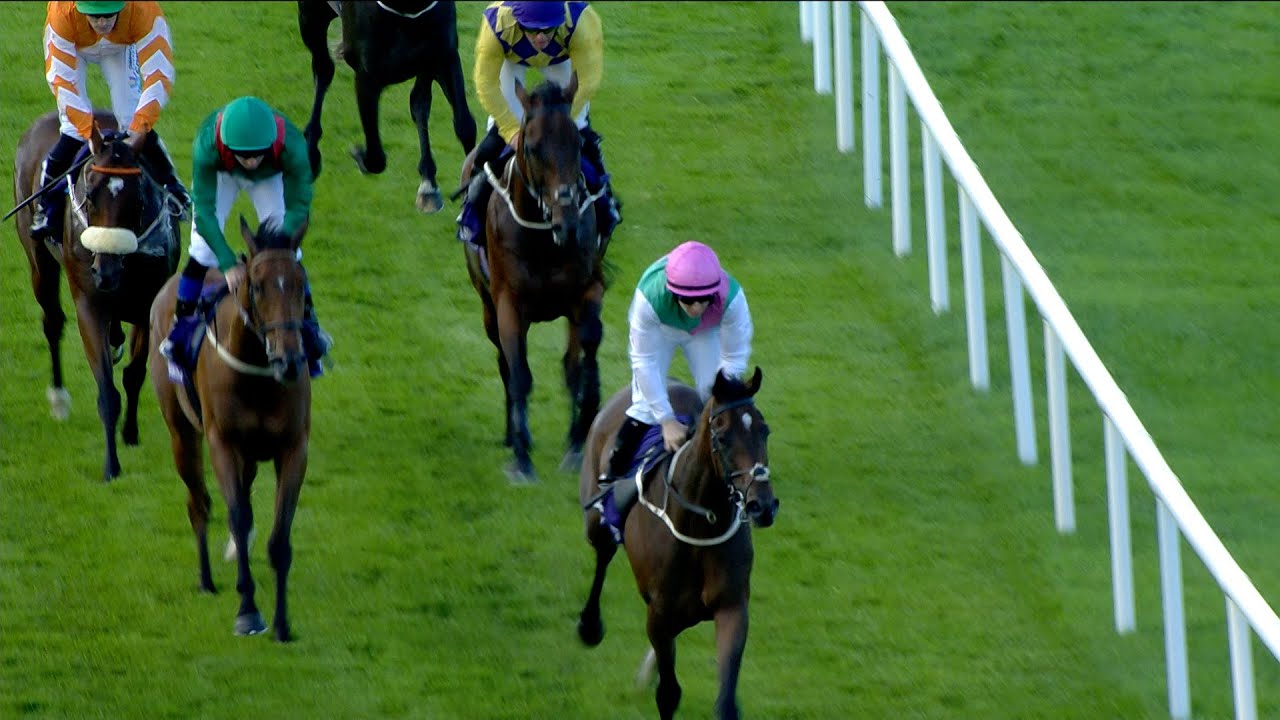
or horse racing organizations and teams to keep fans updated and engaged. Racing videos, updates, and behind-the-scenes content can help maintain interest, even when races are not on.
Looking Forward: The Future of British Horse Racing
As we look to the future of British horse racing, resilience and adaptability will be key themes. Organizations must stay ahead of the curve by continually exploring ways to engage with audiences, promote safety, and maintain the integrity of the sport. Whether through virtual events or enhanced safety protocols during actual races, the goal will be to keep the spirit of horse racing alive, even when events may not be on.
In conclusion, while the cancellation of events in British horse racing brings various challenges, it also opens the door to new opportunities for engagement and adaptation. The sport’s stakeholders, from owners to fans, have a shared responsibility to navigate these challenges collaboratively, ensuring that British horse racing remains resilient in the face of adversity. By embracing change, the community can look forward to a bright future—where the thrill of racing continues, regardless of the hurdles that may lie ahead.