The Cost of Living and Investing in Sao Tome
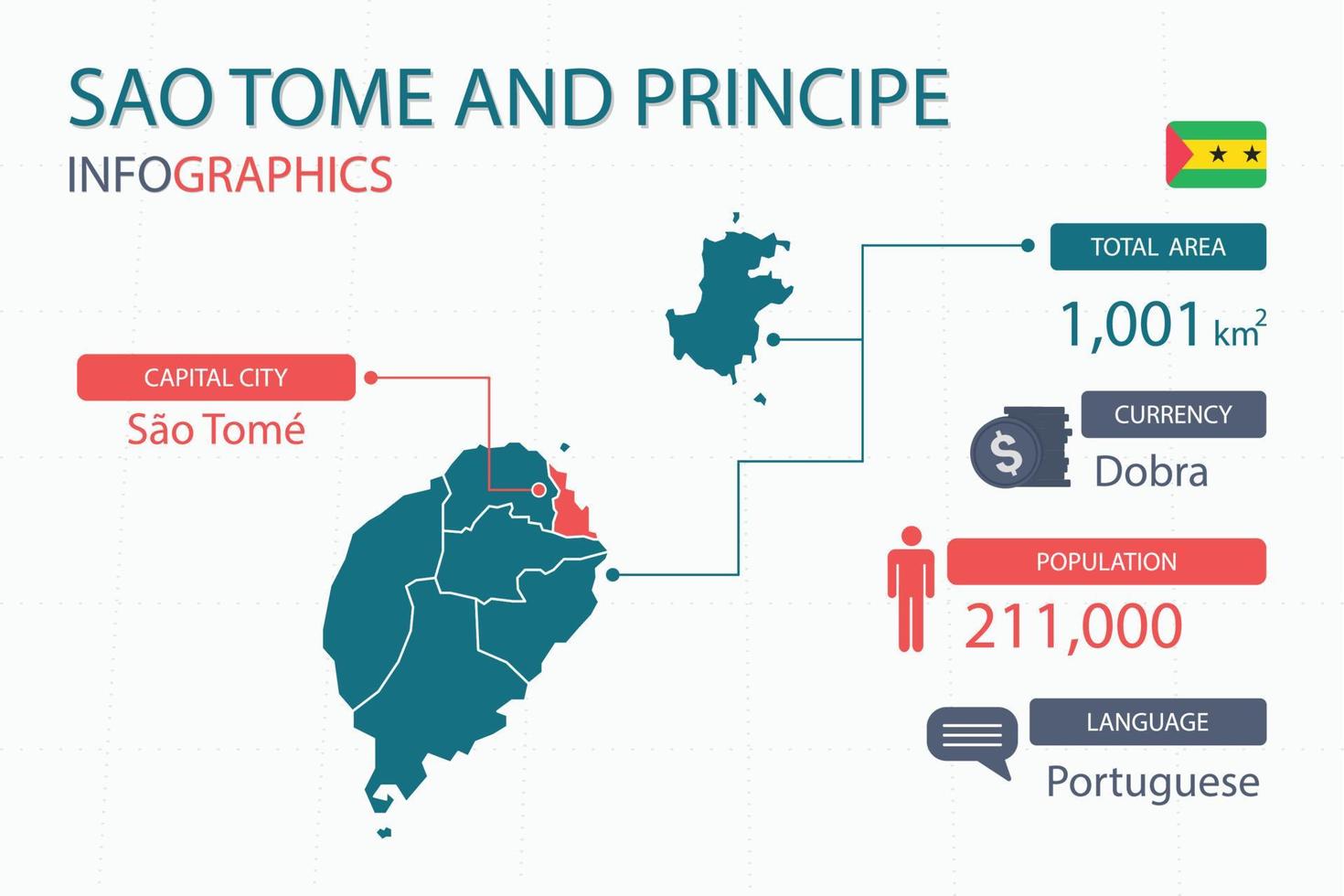
Sao Tome and Principe, a picturesque island nation located in the Gulf of Guinea, has become a subject of interest for both travelers and investors alike. Known for its stunning landscapes, rich biodiversity, and vibrant culture, the country offers a unique experience unmatched by other destinations. However, many prospective visitors and investors often wonder about the financial aspects of living and investing in Sao Tome. This article delves into various costs associated with life on the islands, including housing, food, utilities, and, importantly, the investment opportunities. For those interested in obtaining citizenship through investment, you can also check this How Much Does Sao Tome Citizenship Cost? resource for more insights.
1. Overview of Sao Tome and Principe
Comprising two main islands, Sao Tome and Principe, as well as several smaller islets, this archipelago boasts a diverse habitat that caters to both nature enthusiasts and those seeking a peaceful retreat. The local economy heavily relies on agriculture, with cocoa and coffee as the main export products. Moreover, in recent years, the government has been working towards attracting foreign investment to stimulate growth and development in various sectors.
2. Cost of Living in Sao Tome
Understanding the cost of living is crucial for anyone considering moving to or investing in Sao Tome. Compared to many Western countries, the overall cost of living in Sao Tome is relatively low. However, there are various factors that can affect your expenses. Below we outline key components of the cost of living.
2.1 Housing
Renting a house or apartment in Sao Tome can vary significantly based on location and size. In the capital city, Sao Tome, you can expect to pay around $300 to $600 per month for a one-bedroom apartment in a city center. If you prefer a more spacious home or a property outside the city, prices can go up to $1,000 or more, depending on the amenities and location.
2.2 Food
The cost of food in Sao Tome is generally affordable, especially when purchasing local products. A meal at an inexpensive restaurant may cost around $5, while a three-course meal for two in a mid-range restaurant may be priced at approximately $30. For groceries, a month’s supply for a single person may average around $200, encompassing basics like rice, beans, fruits, vegetables, and locally sourced fish and meat.
2.3 Utilities
Utility costs in Sao Tome tend to be reasonable, with monthly expenses for an average apartment ranging between $50 and $150. This generally includes electricity, heating, cooling, water, and garbage. Note that due to the islands‘ reliance on generators and water desalination, utility prices can be higher during peak tourist seasons.
2.4 Transportation
The public transportation system in Sao Tome is limited, but affordable. A one-way ticket on a local bus might only cost around $0.50. Taxis are available, with starting fares of approximately $2. If you plan to rent a car, you can expect rates starting at about $40 per day.
3. Investment Opportunities in Sao Tome
Beyond the cost of living, Sao Tome presents several attractive investment opportunities. The government is eager to foster sustainable tourism, agriculture, and renewable energy projects, making this an ideal destination for enterprising investors.
3.1 Tourism
Tourism is one of the main focuses for economic growth in Sao Tome. The islands offer beautiful landscapes and unique experiences, from lush rainforests to pristine beaches. Investing in hotels, eco-lodges, and guided tours can yield lucrative returns, particularly as more travelers seek off-the-beaten-path destinations.
3.2 Agriculture
Given its fertile land, agriculture remains a cornerstone of the Sao Tomean economy. Investment in organic farming and sustainable agricultural practices can tap into the growing global demand for high-quality, organic produce, primarily cocoa and coffee products.
3.3 Renewable Energy
With abundant sunlight and wind, Sao Tome has significant potential for renewable energy projects. Investments in solar energy and wind farms can not only provide sustainable energy solutions for the local community but also present opportunities for profitable enterprises aligned with global sustainability goals.
4. Financial Considerations for Investors
When considering investment in Sao Tome, it’s essential to be aware of the legal and financial frameworks. Foreign investment policies encourage investment, but it’s crucial to familiarize yourself with local regulations, potential tax incentives, and any required permits.
4.1 Taxes
The tax regime in Sao Tome is relatively straightforward. Corporate tax rates generally hover around 25%, while personal income tax rates can vary based on income levels. Understanding local taxation will help you evaluate the net returns on your investments effectively.
4.2 Currency and Exchange Rates
Sao Tome uses the Dobra (STN) as its currency, and understanding exchange rates is vital for investors. Currency fluctuations can affect the overall costs and profitability of your investments. Ensure you access reliable financial institutions for currency exchange and consider hedging options if you’re making significant investments.
5. Conclusion
Sao Tome offers a unique combination of stunning natural beauty, a low-cost living environment, and promising investment opportunities, making it a worthy consideration for both expatriates and investors. As the country’s economy continues to evolve, understanding the financial landscape is key to making informed decisions. Whether you are planning a short-term visit or considering a long-term investment, Sao Tome has much to offer. Engage with local resources and communities to enrich your experience and successfully navigate this beautiful island nation’s intricacies.